In today’s fast-paced world, more people are turning to intermittent fasting as a way to improve their health, lose weight, and even extend their lifespan. But did you know that one of the key mechanisms behind these benefits is autophagy? This natural cellular process acts like a built-in cleaning system for your body, recycling damaged parts and promoting renewal. In this comprehensive guide, we’ll explore what intermittent fasting and autophagy are, how they work together, their science-backed benefits, and practical tips to get started. Whether you’re a beginner or looking to optimize your routine, understanding autophagy through intermittent fasting could be the key to better health.
What is Intermittent Fasting?
Intermittent fasting (IF) isn’t about what you eat—it’s about when you eat. This eating pattern cycles between periods of eating and fasting, giving your body a break from constant digestion. Popular methods include:
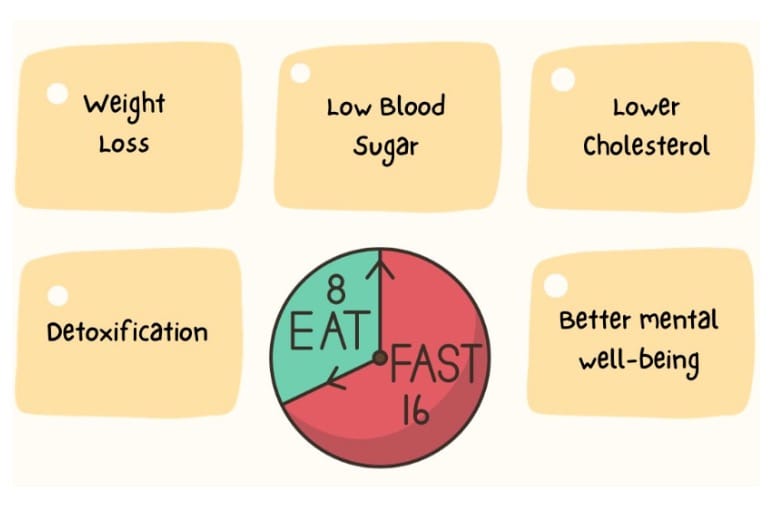
- 16/8 Method: Fast for 16 hours and eat within an 8-hour window (e.g., eating from noon to 8 PM).
- 5:2 Diet: Eat normally for 5 days and restrict calories to 500-600 on 2 non-consecutive days.
- Eat-Stop-Eat: Fast for 24 hours once or twice a week.
Research shows that IF can lead to weight loss, better blood sugar control, and improved heart health. 4 But beyond these, IF triggers deeper cellular changes, like autophagy, which we’ll dive into next. 2 “LARGE”
Understanding Autophagy: The Body’s Recycling System
Autophagy, from the Greek words for “self-eating,” is a vital process where your cells break down and recycle damaged or unnecessary components. Think of it as spring cleaning for your cells: Old proteins, organelles, and debris are engulfed in membrane-bound structures called autophagosomes, then fused with lysosomes for degradation. The recycled materials are reused to build new cellular parts, keeping everything running efficiently.
This process is always happening at a low level, but it ramps up during stress, like nutrient deprivation. Benefits include reduced inflammation, protection against diseases, and enhanced longevity. 3 In fact, the 2016 Nobel Prize in Physiology or Medicine went to Yoshinori Ohsumi for discovering autophagy’s mechanisms, highlighting its role in aging and health. 0 “LARGE”
How Intermittent Fasting Triggers Autophagy
The magic happens when you fast: Without incoming nutrients, your body shifts from using glucose to burning fat for energy (ketosis). This metabolic switch activates autophagy, typically after 12-24 hours of fasting. 8 Studies suggest that prolonged fasting, like dawn-to-dusk IF, leads to overexpression of autophagy genes, enhancing cellular cleanup. 11
In animal models, fasting boosts intestinal stem cell regeneration via autophagy, aiding healing. 5 Human exploratory studies show similar effects, with IF increasing autophagic flux—the rate of cellular recycling. 6 For optimal autophagy benefits from intermittent fasting, aim for at least 16 hours, but consult a doctor if you have health conditions.
Science-Backed Benefits of Intermittent Fasting and Autophagy
Combining intermittent fasting with autophagy offers powerful health perks, supported by emerging research:
- Weight Management and Metabolic Health: IF promotes fat loss and insulin sensitivity, while autophagy clears out dysfunctional cells that contribute to obesity. 9
- Anti-Aging and Longevity: By removing cellular junk, autophagy slows aging. Calorie restriction and IF mimic this, potentially extending lifespan. 0 10
- Reduced Inflammation and Disease Risk: Autophagy dampens inflammasomes (inflammation triggers) and may protect against cancer, neurodegenerative diseases, and heart issues. 2 7
- Brain Health: Fasting-induced autophagy clears protein aggregates linked to Alzheimer’s and Parkinson’s.
- Cellular Renewal: Overall, it helps your body operate more efficiently, like a tune-up for your cells. 1
However, it’s not all positive—a recent MIT study in mice found that while fasting aids regeneration, it may increase cancer risk in damaged tissues. 5 More human research is needed. 1 “LARGE”
Potential Risks and Considerations of Intermittent Fasting
While intermittent fasting for autophagy is promising, it’s not for everyone. Side effects can include hunger, fatigue, or irritability initially. Extended fasting might lead to nutrient deficiencies or muscle loss if not done properly. Pregnant women, those with eating disorders, or people with diabetes should avoid it without medical supervision. 12 Always start slow and listen to your body.
How to Start Intermittent Fasting to Boost Autophagy
Ready to try intermittent fasting and autophagy? Here’s a step-by-step guide:
- Choose Your Method: Begin with 12/12 (12 hours fasting, 12 eating) and progress to 16/8.
- Time It Right: Fast overnight to align with your circadian rhythm.
- Stay Hydrated: Drink water, tea, or black coffee during fasts.
- Eat Nutrient-Dense Foods: Focus on whole foods like veggies, proteins, and healthy fats in your eating window.
- Monitor Progress: Track energy levels and consult apps or journals.
- Combine with Exercise: Light activity can enhance autophagy benefits.
For most, 16-18 hours of fasting is ideal for noticeable autophagy activation. 13
Conclusion: Embrace Intermittent Fasting for Autophagy Benefits
Intermittent fasting and autophagy represent a powerful duo for enhancing cellular health, promoting longevity, and preventing disease. By incorporating IF into your lifestyle, you can tap into your body’s natural renewal processes. Remember, consistency is key, and always prioritize sustainable habits over extremes. If you’re intrigued by the science of autophagy fasting, start small and consult a healthcare professional. Have you tried intermittent fasting? Share your experiences in the comments below!
Disclaimer: This post is for informational purposes only and not medical advice.